Menu
06 26 84 80 45
phone
History

From industrial roots to a wine-growing rebirth

At the gateway to the South, the Domaine de Solenzara tells the story of a fascinating transformation. From former industrial land to an exceptional vineyard, this land bears witness to an evolution in which humankind and nature have worked together to reveal the character of the soils.
Alt à définir
Alt à définir
The first vines
Alt à définir
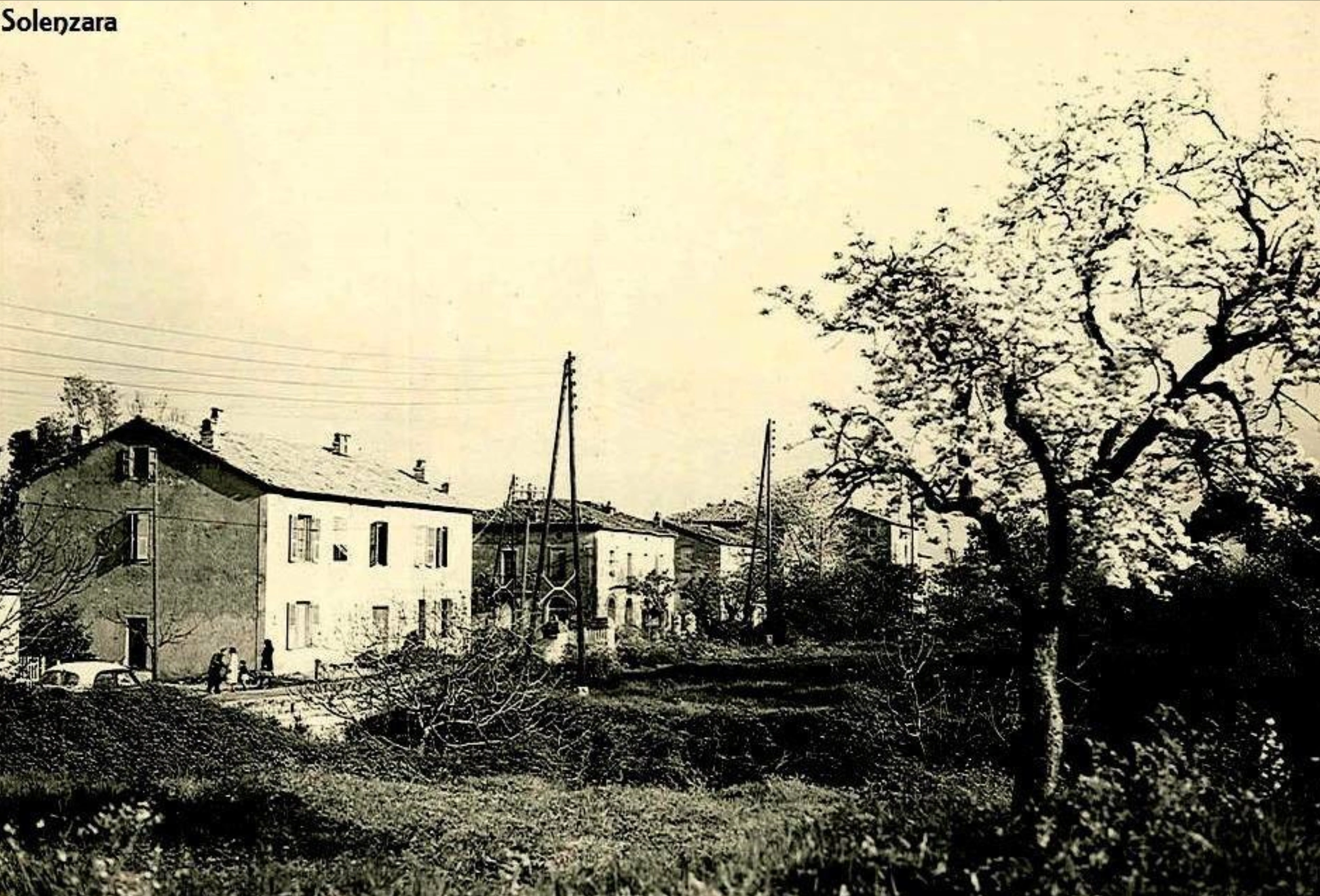
In 1835, the banks of the Solenzara River remained wild and impenetrable. The dense maquis and cork oaks were cut back in 1841 to make way for the Société des Fonderies et Forges established by Jean-Baptiste Lamotte de Saint-Etienne. The foundry used the "Catalan-style" system, an innovative technique for producing iron.
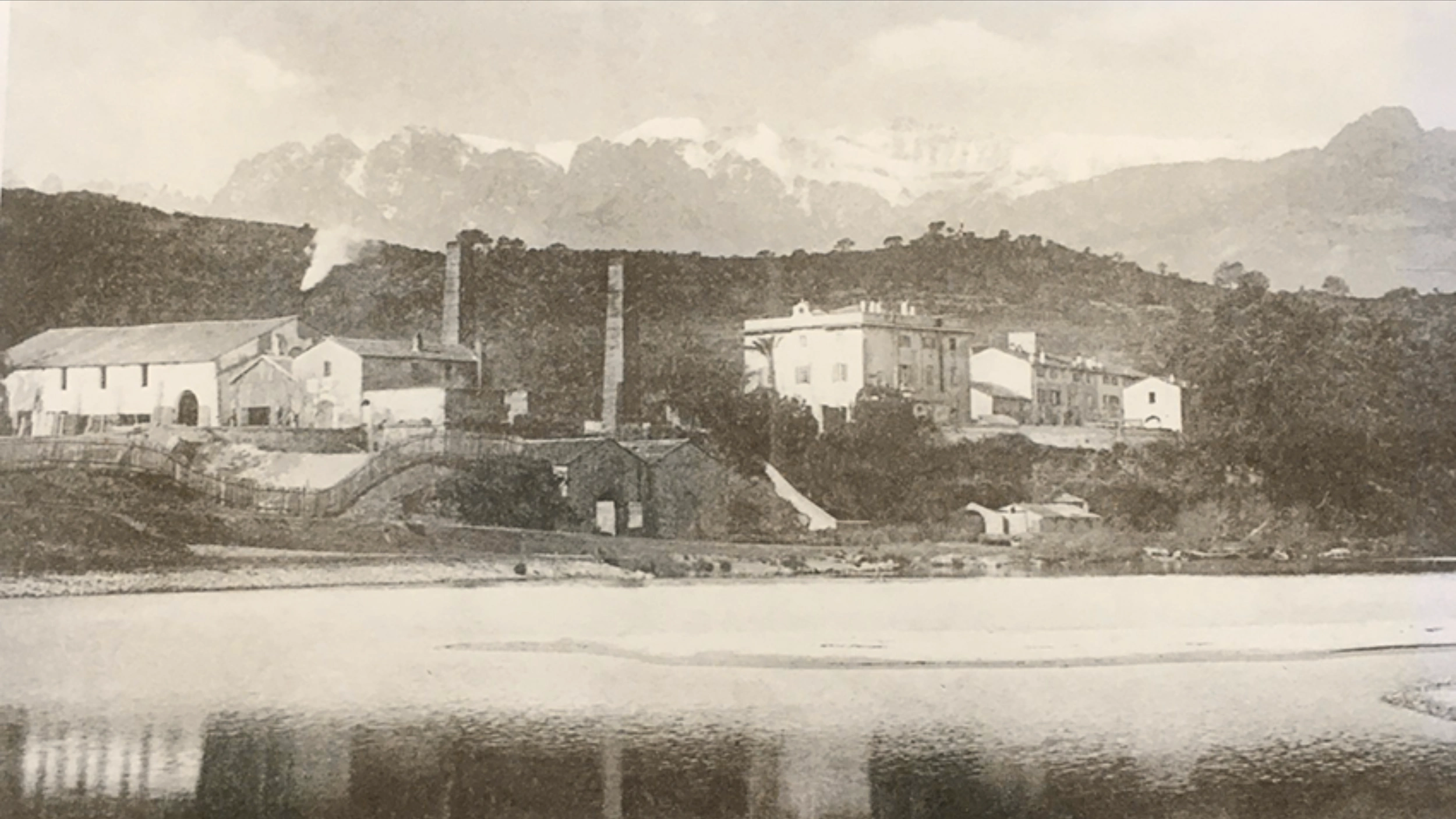
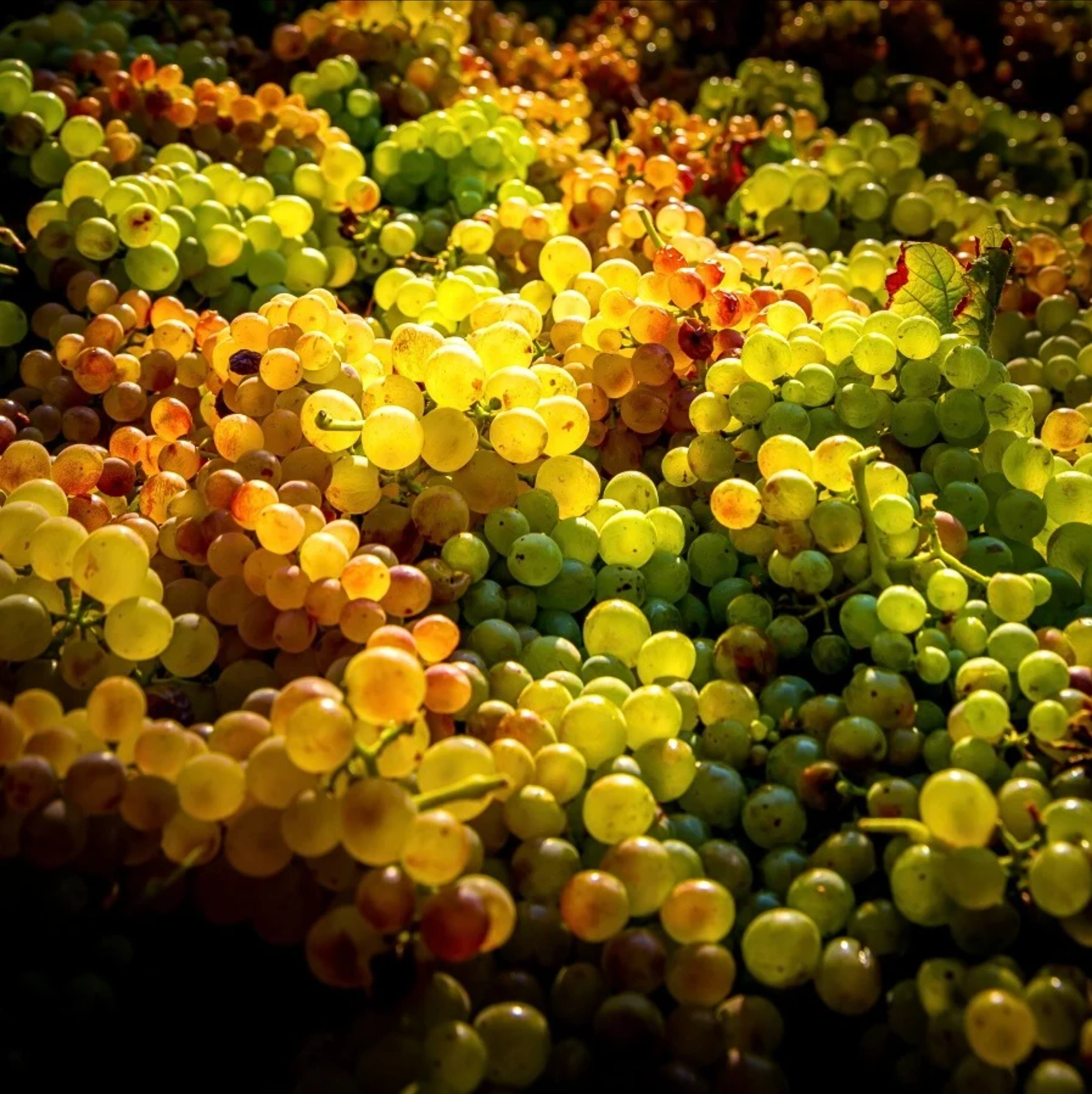
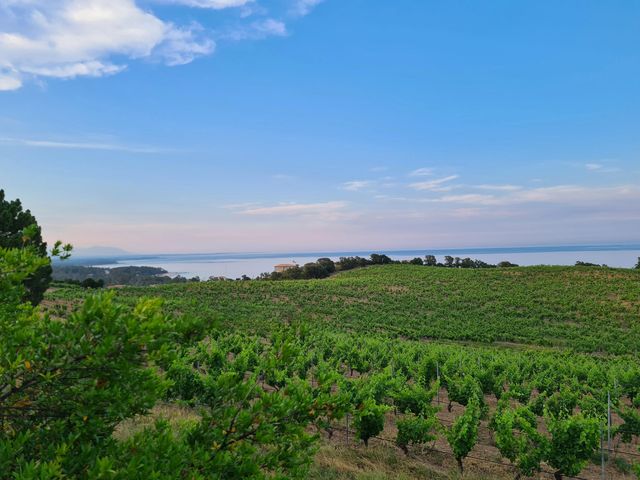
Winegrowing really took off in 1859, when the owners of Hauts Fourneaux cleared 100 hectares and planted 15 hectares of vines among other crops. The estate retained this mix of trades for more than a century.
In 1835, the banks of the Solenzara River remained wild and impenetrable. The dense maquis and cork oaks were cut back in 1841 to make way for the Société des Fonderies et Forges established by Jean-Baptiste Lamotte de Saint-Etienne. The foundry used the "Catalan-style" system, an innovative technique for producing iron.
Alt à définir
From blast furnaces to rows of vines
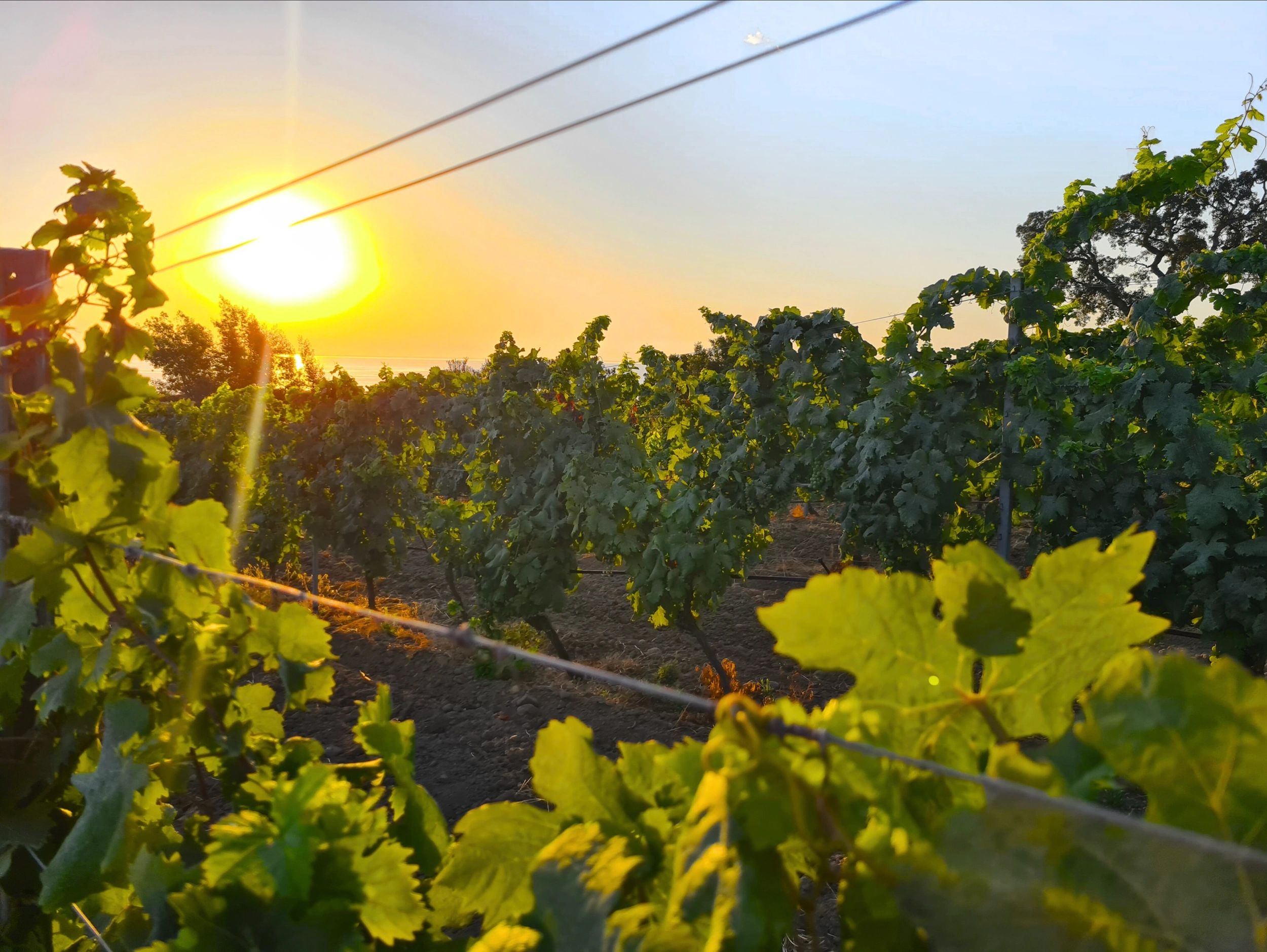
The blossoming
of a vineyard
Alt à définir

A new vision

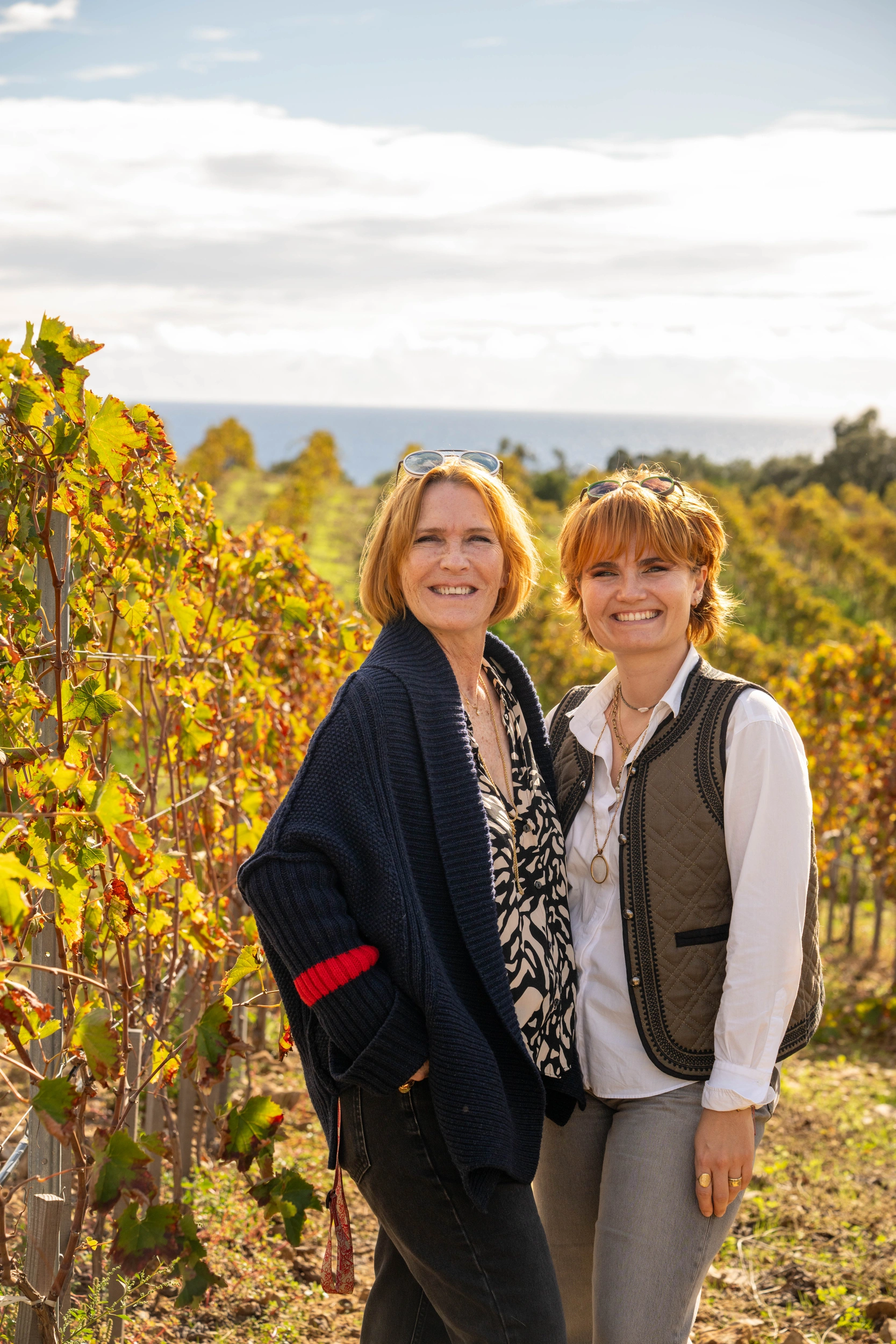
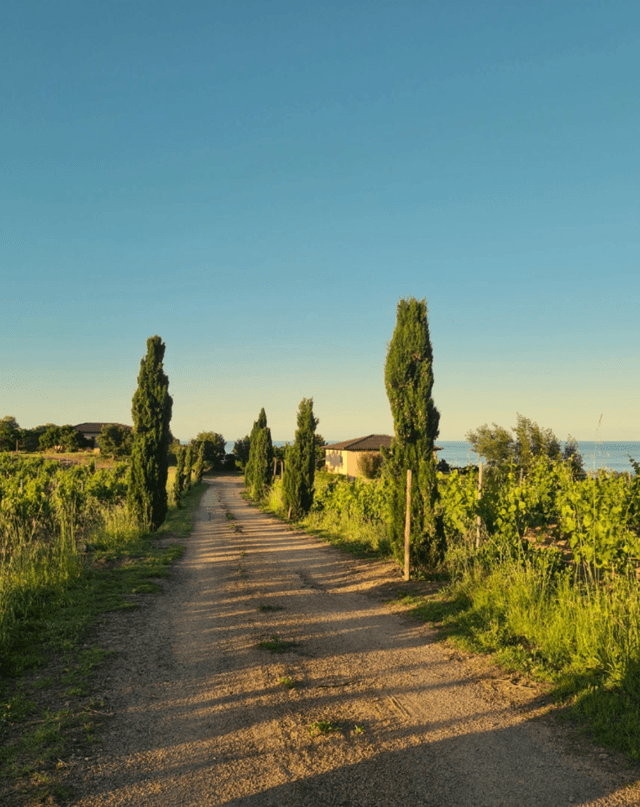
The modern history of the estate began in 1991, when Fabienne and Émile Lucchini took over the reins of the estate with a clear vision: to transform these plots into exceptional vineyards. They completely restructured the historic 15 hectares by carefully selecting Corsican grape varieties best suited to the local microclimate. This rebirth is based on a fundamental principle: to focus on quality over quantity. The vines are nurtured with the utmost care.
Stained stain
Alt à définir

A legacy in motion

From the soil
to recognition
Alt à définir
Alt à définir
Stained stain
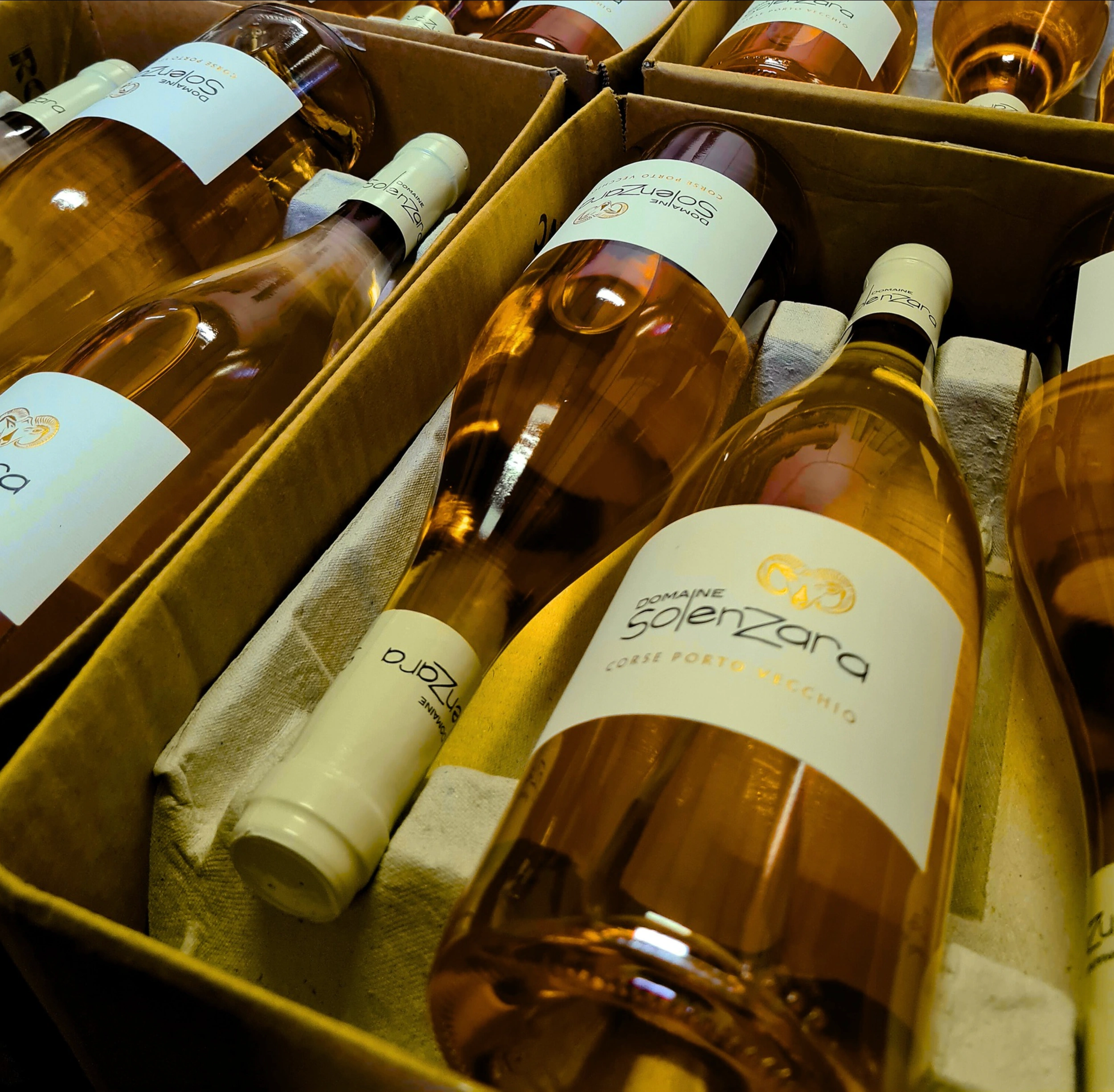
The Lucchini's commitment soon paid off. Obtaining the Corsican Porto-Vecchio AOP label is an official recognition of the quality of their approach and places the estate on the list of exceptional Corsican wines. Today, Fabienne pursues this quest for excellence by cultivating 12 hectares of vines using sustainable farming practices. This philosophy, which respects the vineyard and its environment, guarantees the authenticity of the wines produced and ensures the carefully preserved family know-how is passed down the generations.
Alt à définir
Stained stain

From your glass to ours

An invitation
to meet and share
Alt à définir